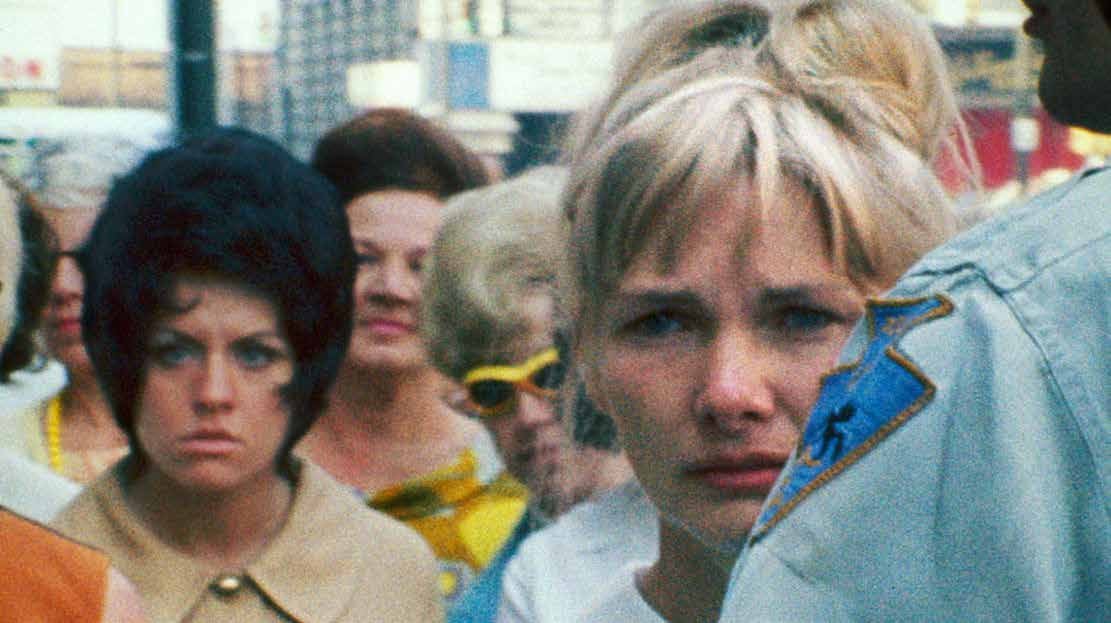
Barbara Loden — Wanda (1970)
Screening & Presentation by Elena Gorfinkel
This special screening presents Wanda, the sole feature directed by Barbara Loden—a landmark of independent cinema whose quiet radicalism continues to resonate more than five decades after its release.
Shot on location in the coal-mining regions of Pennsylvania with nonprofessional actors, minimal crew, and a stripped-down aesthetic, Wanda follows a woman drifting through economic precarity, emotional detachment, and social invisibility. Loden, who also stars in the film, rejects redemption arcs and psychological explanation. Instead, she offers a portrait of female experience shaped by exhaustion, resignation, and constrained choice—rendered with an unsentimental honesty that was almost without precedent at the time.
Often described as an American precursor to feminist and realist cinemas that would emerge more fully in later decades, Wanda stands apart for its refusal of narrative consolation. Its power lies in restraint: in silences, empty spaces, and moments where the camera seems to wait rather than direct. Loden’s approach aligns the film with traditions of neorealism and vérité, while remaining fiercely personal and singular.
The screening is accompanied by a presentation from Elena Gorfinkel, whose scholarship has been central to the contemporary reappraisal of Loden’s work. Gorfinkel’s talk situates Wanda within histories of women’s filmmaking, American independent cinema, and feminist film theory, while addressing the film’s afterlife—its periods of neglect, rediscovery, and growing recognition as a foundational work